History of the Park
The history of the Tartu Nature House park dates back to 1953, when a youth naturalists’ station began operating at Lille 10 and on the surrounding property. Since then, the garden and park have been an important place for learning about nature, hands-on education, and community activities.
Over the decades, greenhouses, educational garden beds, and new activity areas have been established here. Today’s Nature House Park combines historic landscaping, biodiversity, and modern nature education opportunities.
Key Dates in the Park’s History
1953 – Young Naturalists’ Station
The Young Naturalists’ Station began operations at Lille 10 and on its grounds. This marked the start of transforming the garden into a practical learning environment.
1956 – The First Greenhouse
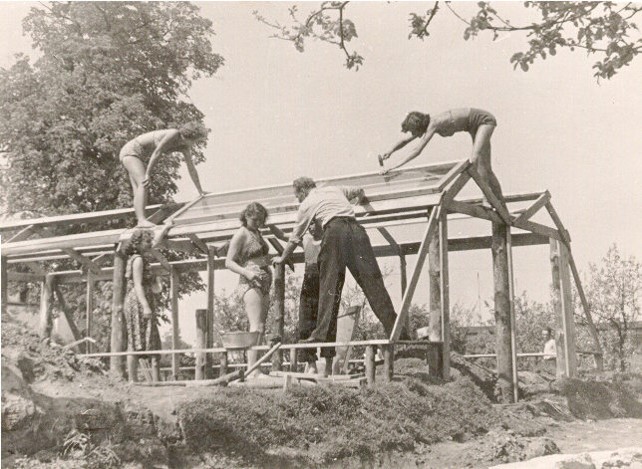
Through the joint efforts of teachers and students, a greenhouse with a boiler room was completed, enabling the cultivation and study of plants.
1982 – New Greenhouse
Due to the construction of the university’s physics building, the previous greenhouse was demolished, and a new greenhouse with central heating was built behind the building at Lille 10.
2010 – Architecture Competition
The winning entry in the architectural competition laid the foundation for the construction of a new nature center at the historic Lille 10 site.
2013 – New Nature Center and Park
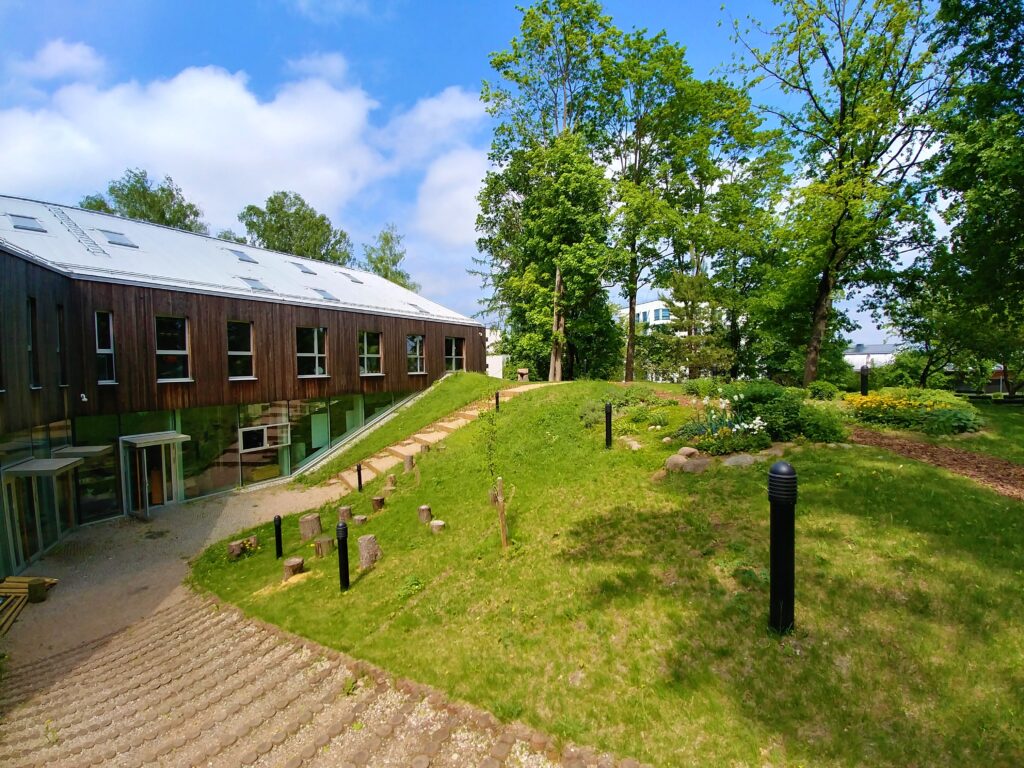
In August, the energy-efficient nature center building was completed along with a renovated park area, where as much of the existing landscaping as possible was preserved.
From a Young Naturalists’ Garden to an Educational Park
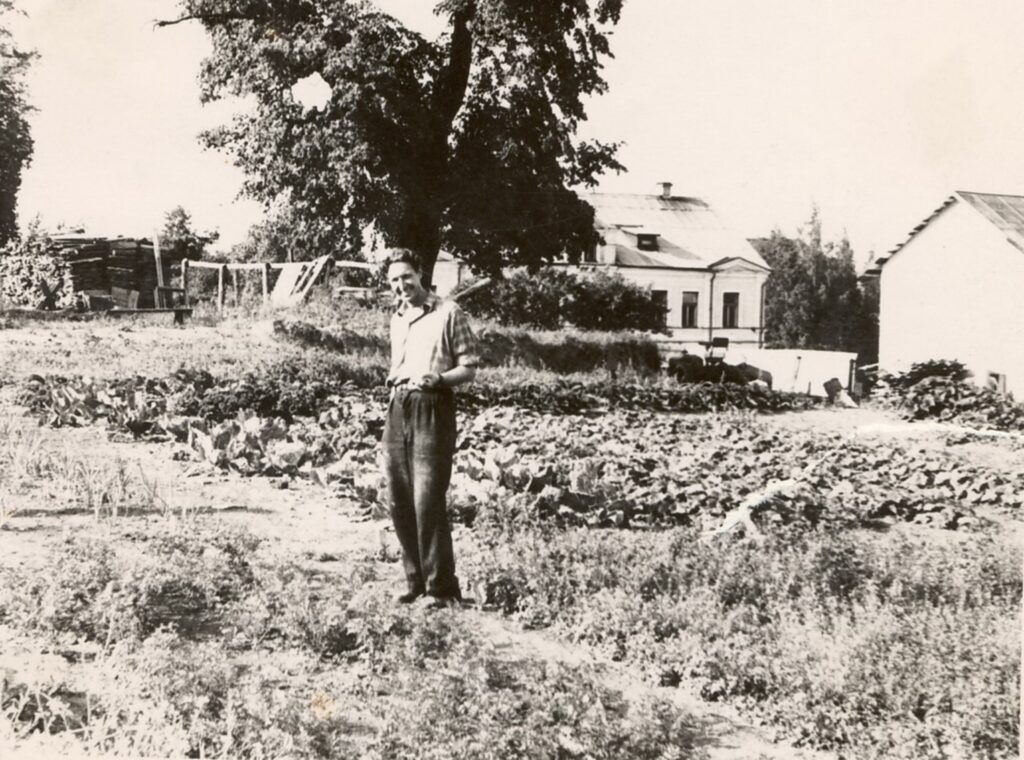
Established in 1953, the Young Naturalists’ Station garden quickly became an important venue for nature education. Teachers and students laid out garden beds, planted trees, and cultivated a variety of plants. A pond was also built in the garden to diversify learning opportunities.
In 1956, the first greenhouse with a boiler house was completed. Later, under the direction of Edgar Toots, a second greenhouse was built, which was largely underground and utilized the heat from the soil. It was heated by a cast-iron stove, also known as a “buržuika.”
In 1982, one of the greenhouses had to be demolished due to the construction of the University of Tartu’s Physics Building. In its place, a new greenhouse with central heating was built behind the building at Lille 10. Plants were grown in the greenhouses both for educational purposes and for special occasions—for example, daffodils, alpine violets, snowdrops, and bluebells were cultivated for Women’s Day.
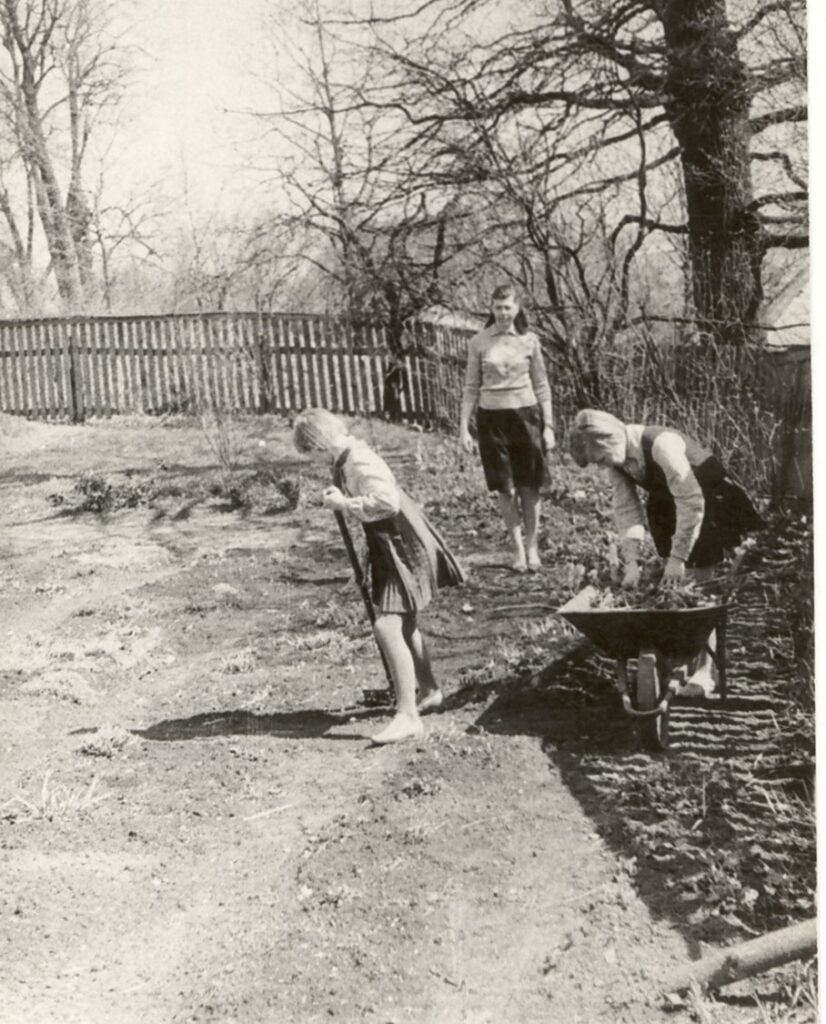
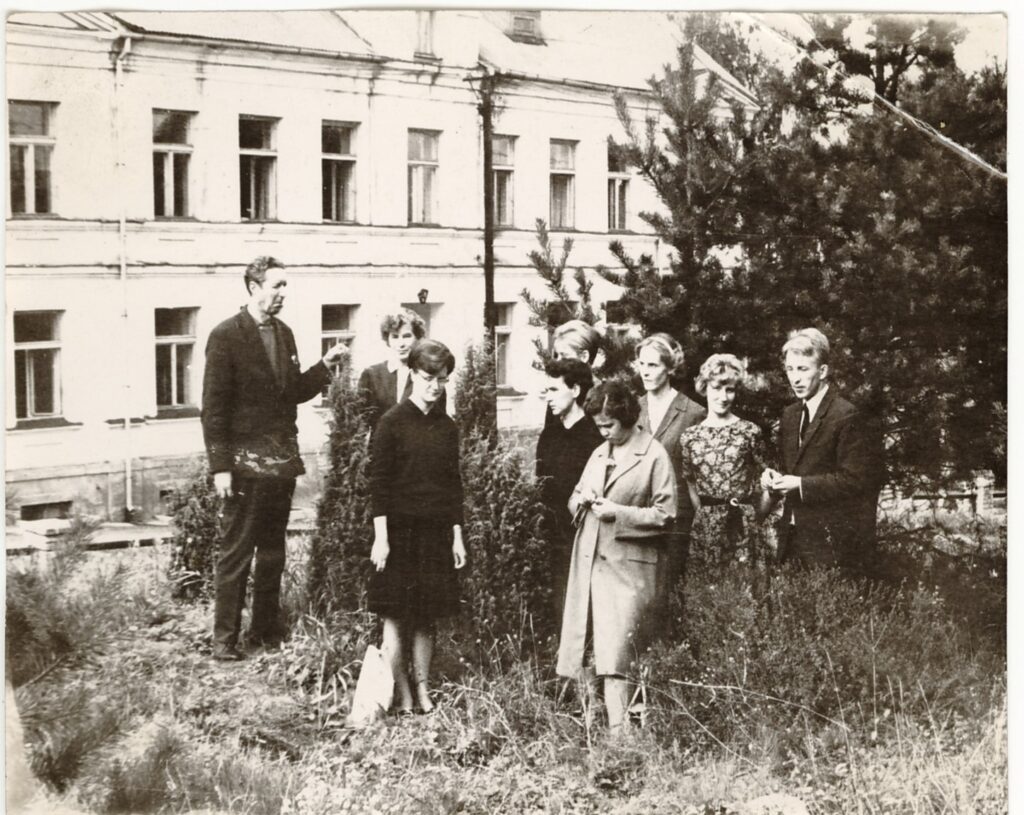
Although the Nature House’s activities were housed in various buildings at different times due to a lack of space, the garden and park on Lille Street continued to be used for educational purposes. Here, students learned about plants, performed gardening tasks, and organized community work parties.
Construction of the New Nature House
In 2010, an architectural competition was held, and based on the winning design, construction began on the new Tartu Nature House at its historic location at Lille 10.
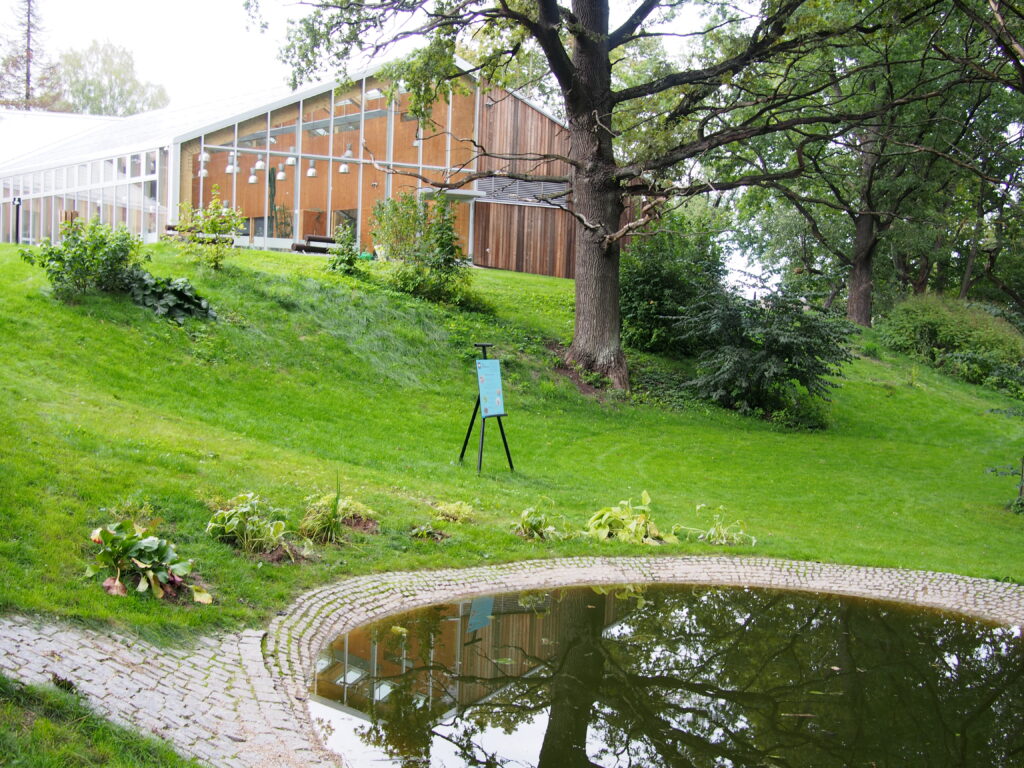
When designing the new park area, as much of the existing natural topography and existing trees as possible were preserved. In addition, native Estonian tree species were planted, and a stone path was built in front of the building using erratic boulders found in the soil during construction.
In August 2013, the new energy-efficient Nature House building, along with the renovated park area, was completed. The old fruit orchard, the protected oak tree, and the diverse landscaping were all preserved. In addition, new educational garden beds, activity areas, and opportunities for exploring nature were created.
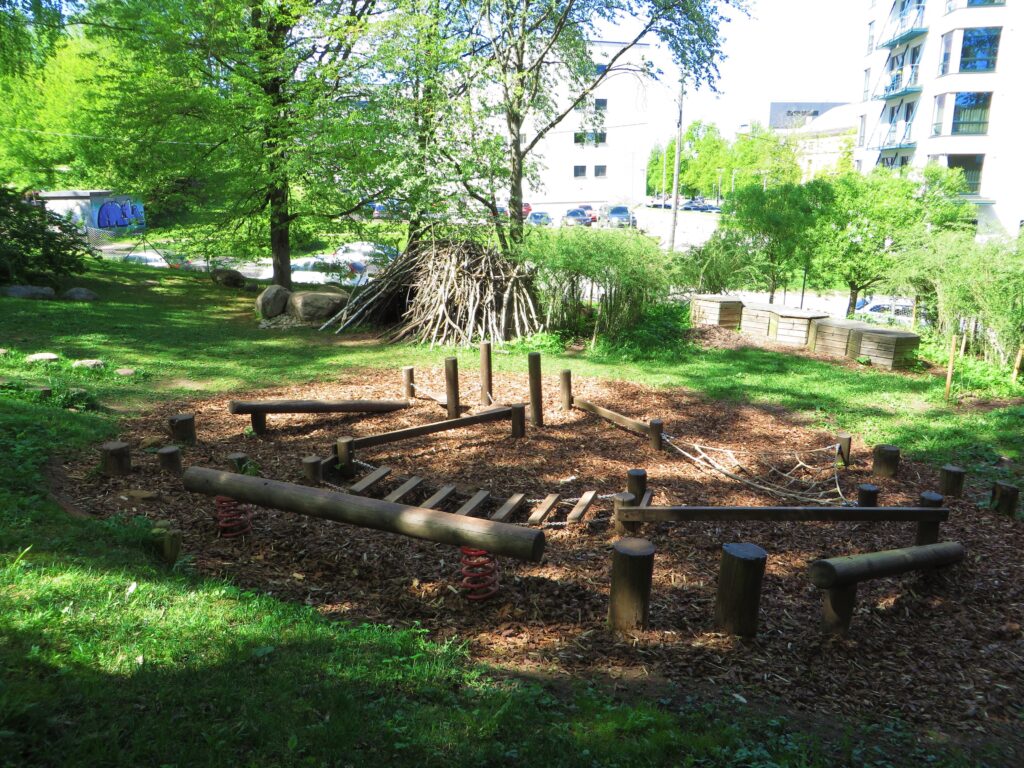
Currently, visitors to the park can explore the erratic boulder trail, a beaver lodge, three sandboxes, an observation deck, a sundial, a water feature, and an outdoor classroom.
You can also learn more about the Nature House building and its environmentally friendly solutions in the virtual exhibition “Transparent Nature House.”
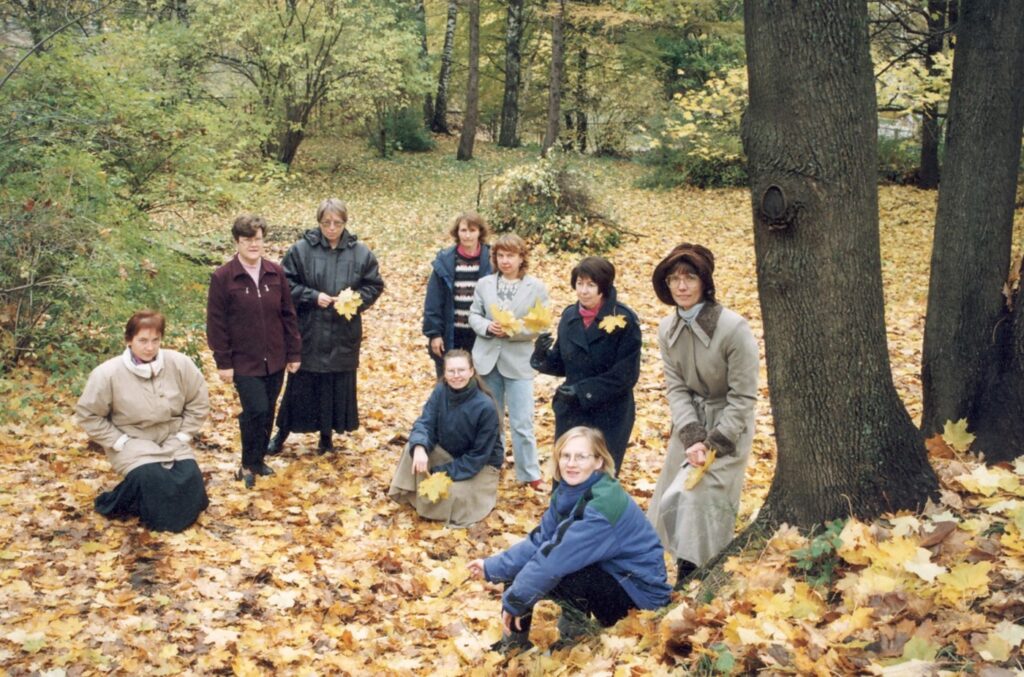
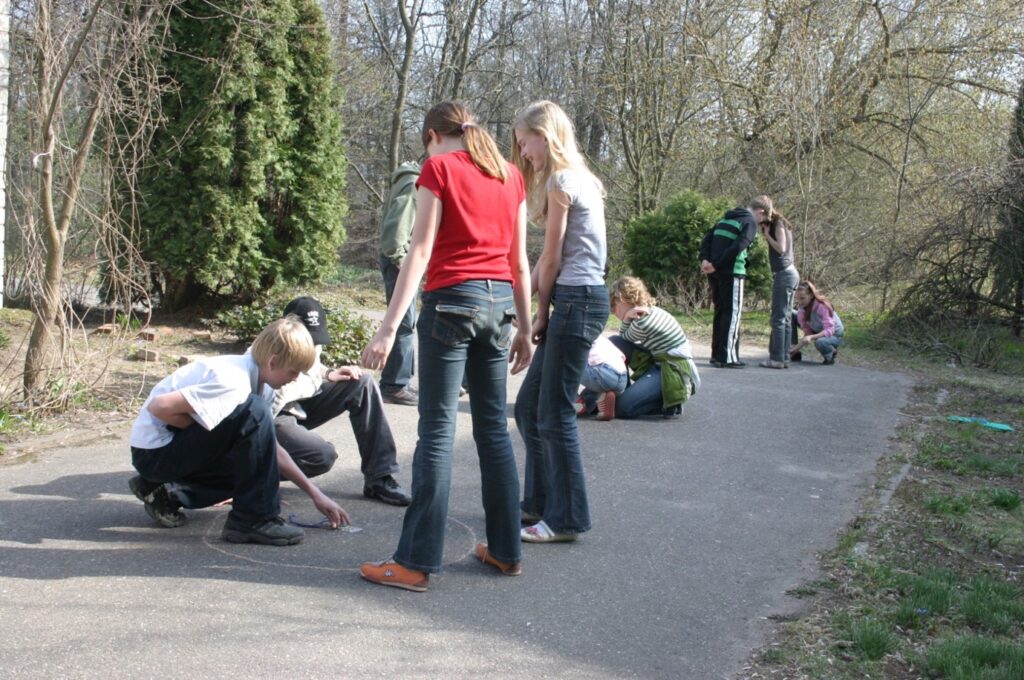
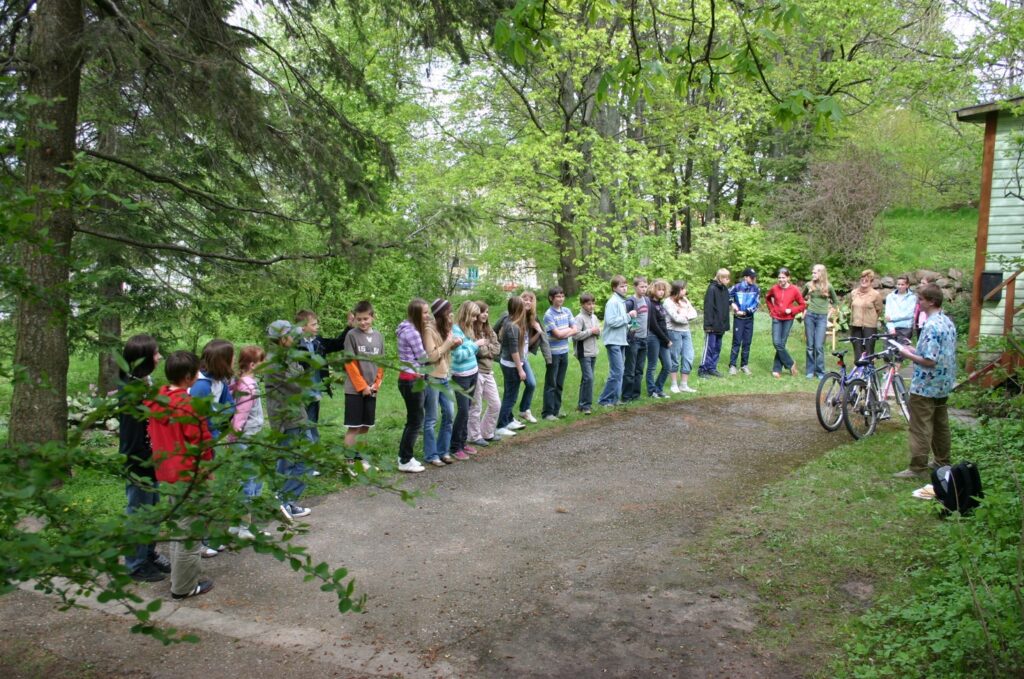
The Park’s History in Pictures
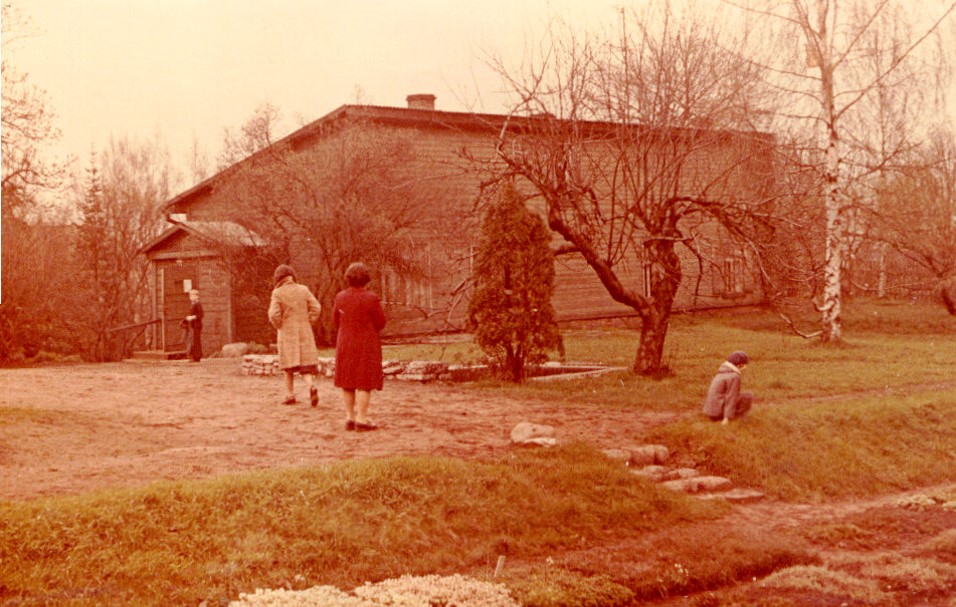
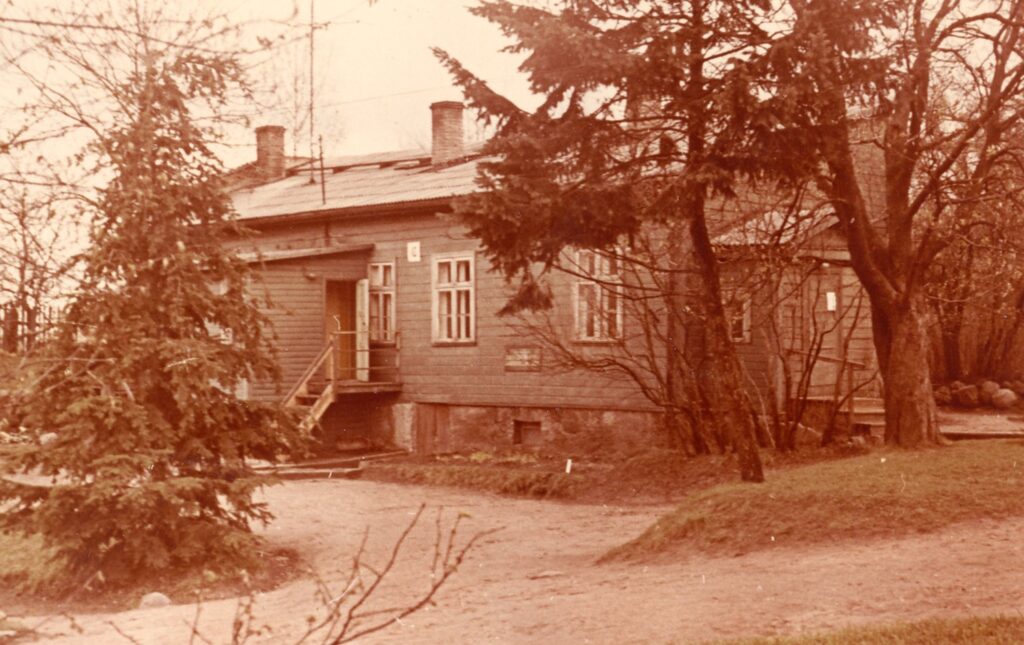
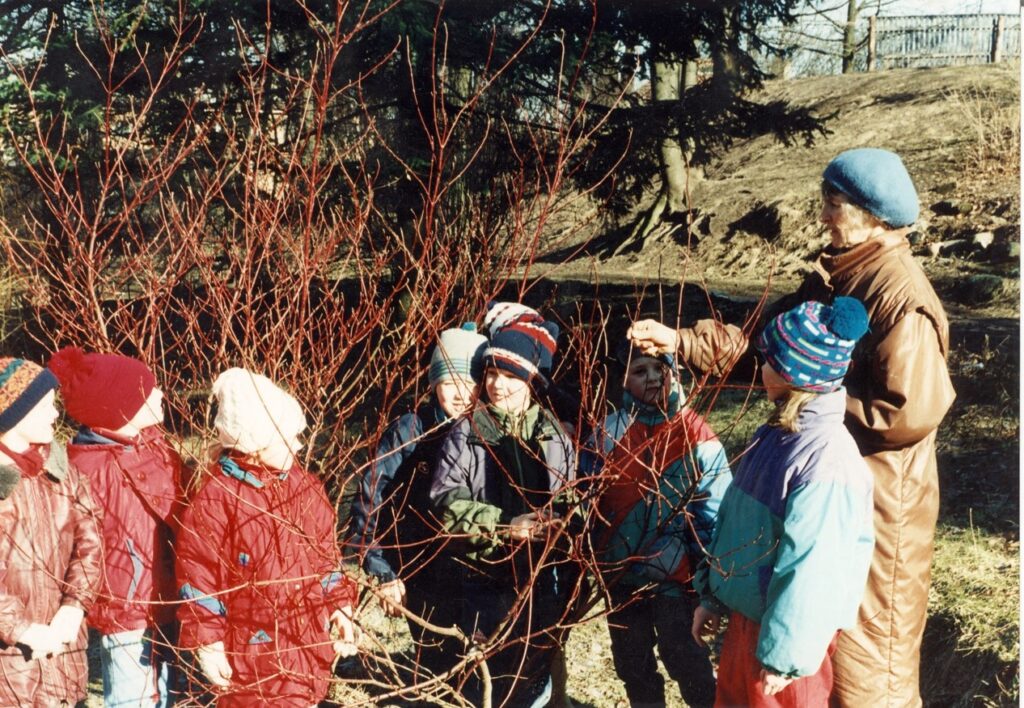
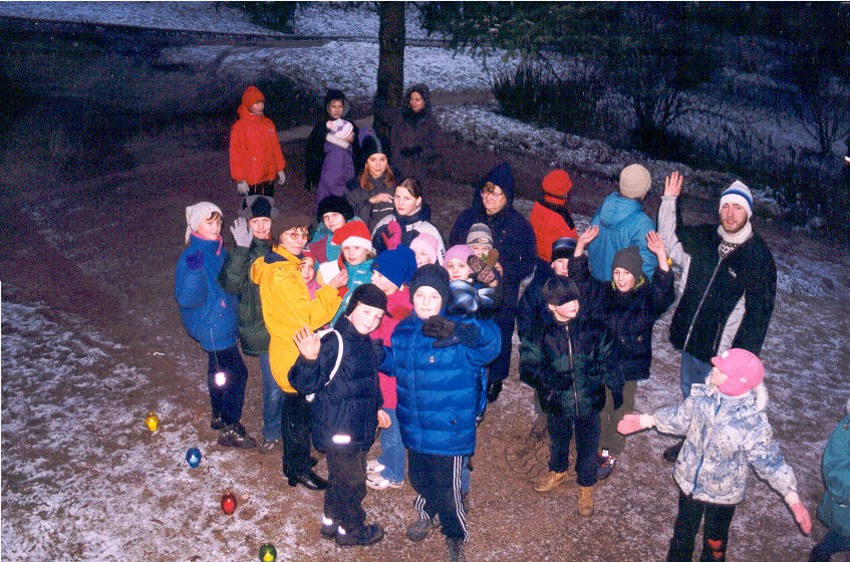
The photos provide an overview of the development of the Lille 10 garden and park, the educational activities that have taken place here, and the changes in the area surrounding the Nature House. Click on a photo to view a larger version.